
Understanding the psychology behind gambling behavior in casinos
The Allure of Gambling
The appeal of gambling in casinos can be traced back to a complex interplay of psychological factors. Many individuals find the thrill of potentially winning money enticing, which creates an adrenaline rush that can be difficult to resist. This excitement is often amplified by the vibrant atmosphere of casinos, filled with lights, sounds, and an array of games that beckon players to engage. The combination of risk and reward often captivates the mind, leading to a desire for more, even when the odds are not in the player’s favor. Additionally, understanding proper aviator etiquette can enhance the overall experience for both newcomers and seasoned players.
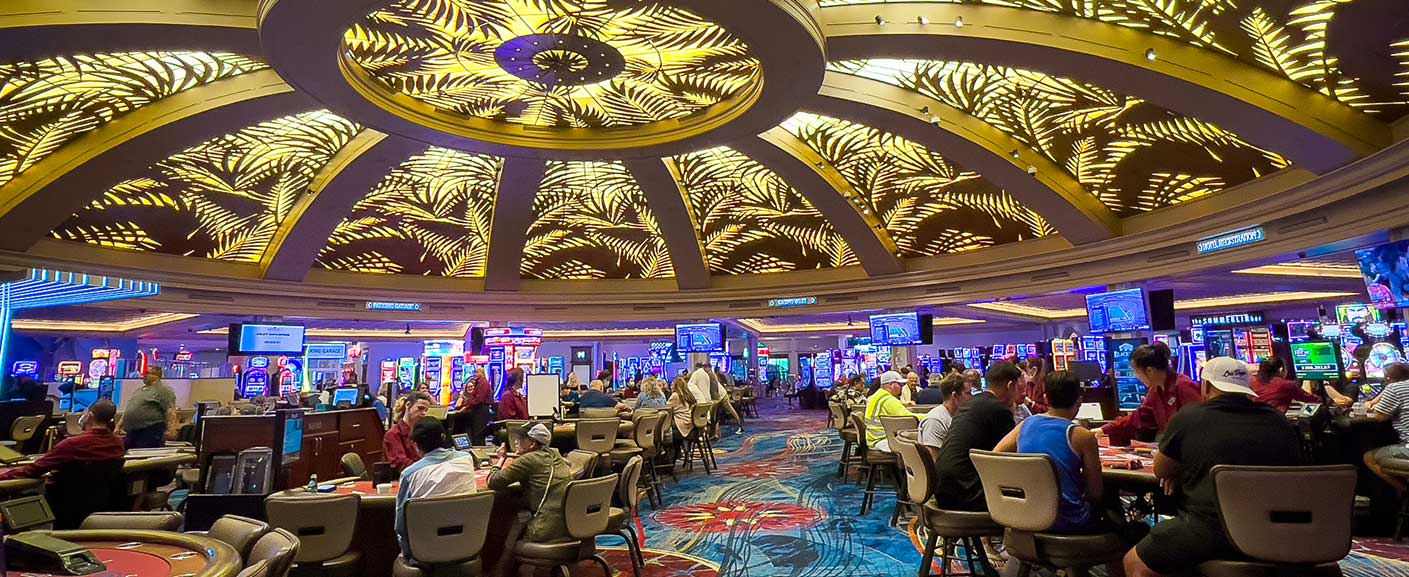
Furthermore, the social aspect of gambling plays a significant role. Many people enjoy the camaraderie that comes from sharing experiences with others, whether that is cheering for a fellow player or commiserating over losses. This sense of belonging can enhance the overall experience and encourage individuals to gamble more than they initially intended. The environment of a casino is designed to foster these interactions, making it an attractive place for social engagement.
Cognitive Biases in Gambling
Several cognitive biases contribute to the gambling behavior observed in casinos. One of the most prominent is the illusion of control, where players believe they can influence the outcome of games that are purely chance-based. For instance, a player might think that choosing a particular slot machine or adopting a specific strategy could sway the results in their favor. This misconception can lead to increased betting and prolonged gaming sessions, further entrenching them in the gambling experience.
Another common bias is the gambler’s fallacy, which suggests that past outcomes affect future probabilities. Individuals might believe that because a particular number hasn’t come up in a while, it is “due” to appear soon. This misinterpretation of randomness can result in people placing bets based on misguided reasoning, often leading to losses that they might otherwise avoid if they approached the games with a more rational mindset.
Emotional Triggers and Gambling
Emotions play a critical role in gambling behavior. Many individuals gamble to escape from everyday stresses or to cope with negative feelings such as anxiety or depression. The temporary highs associated with wins can provide a much-needed break from reality, even if just for a moment. This emotional relief can become a driving factor, leading individuals to gamble more frequently and in larger amounts as they seek to replicate those highs.
Conversely, losing can evoke feelings of frustration and disappointment, pushing individuals to chase losses. This phenomenon, known as loss chasing, can lead to a detrimental cycle where players gamble not to win but to recover previous losses. Understanding these emotional triggers is essential for recognizing when gambling behavior crosses from recreational to problematic, impacting individuals’ lives significantly.
The Role of Environment in Gambling Decisions
The physical environment of a casino greatly influences gambling behavior. Factors such as layout, lighting, and sound contribute to a stimulating atmosphere designed to keep players engaged. Casinos often employ strategies that encourage longer play, such as offering complimentary drinks and creating a sense of timelessness, where individuals lose track of time. This environment can amplify the desire to continue gambling, often leading to increased expenditures.
Additionally, the presence of other players can impact individual behavior. Observing others win can create a contagious excitement, prompting players to take risks they may not have considered alone. This phenomenon highlights the social dynamics at play in a casino setting, where the collective atmosphere can push individuals to gamble beyond their limits, further complicating their relationship with gambling.

Exploring Online Gambling Platforms
As technology advances, the landscape of gambling is shifting towards online platforms. These sites aim to replicate the excitement of traditional casinos while providing convenience and accessibility. Players can enjoy various games from the comfort of their homes, which can sometimes lead to increased gambling behaviors due to the lack of physical boundaries present in a physical casino.
Websites like Aviator Game enhance the online gambling experience by providing engaging gameplay, user-friendly interfaces, and numerous bonuses. As players seek platforms that offer more than just basic games, understanding the psychological aspects of their gambling behavior becomes essential. By recognizing the underlying motivations and emotions tied to online gambling, players can make more informed decisions, ensuring their experiences remain enjoyable and responsible.